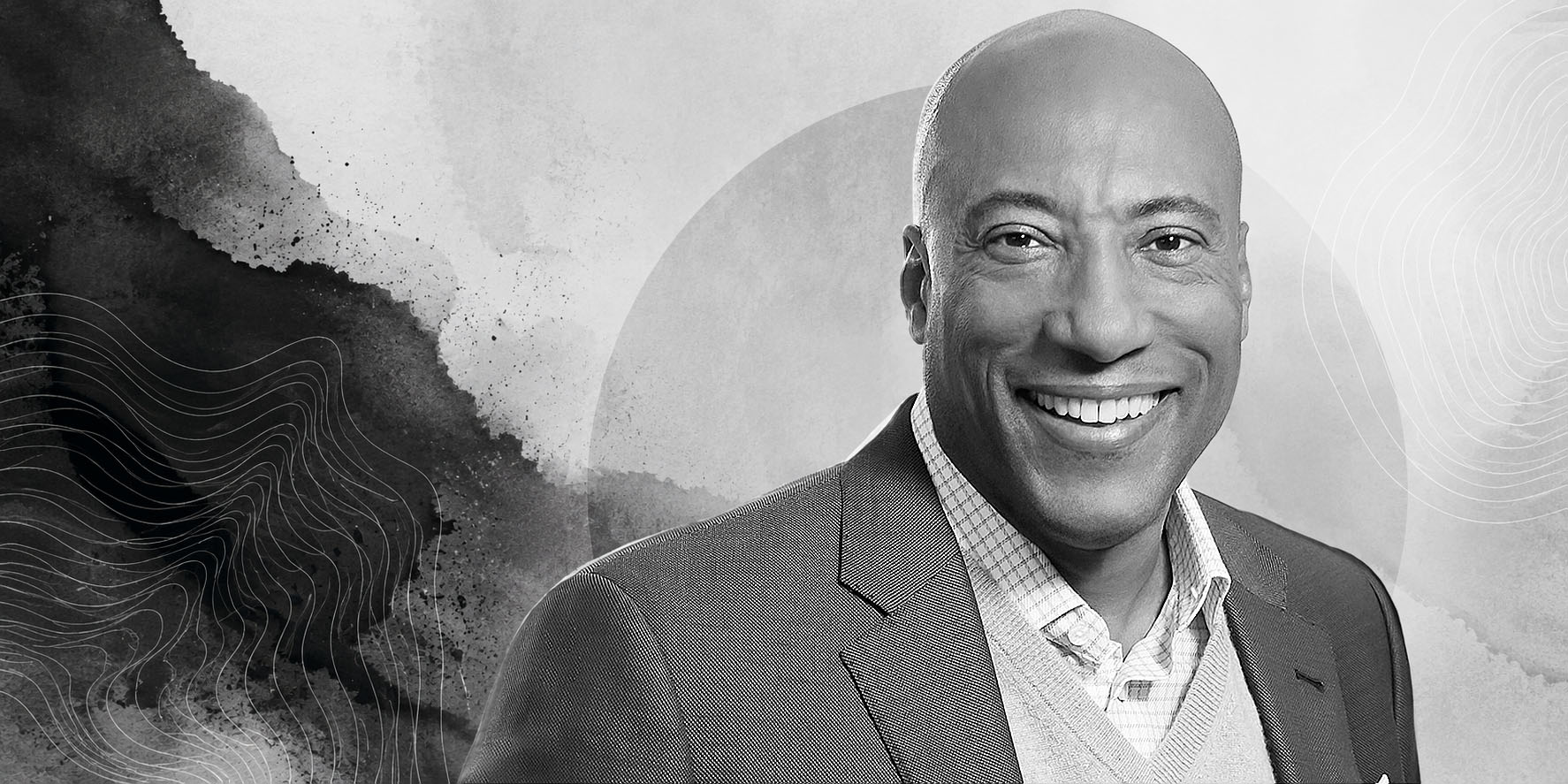
Byron Allen acquires a majority stake in BuzzFeed, along with HuffPost and Tasty. For those of us that understand mergers and acquisitions, this is bigger than a media headline. It is a strategy, capital, and risk management story.
According to BuzzFeed’s investor announcement, Allen Family Digital, an affiliate of Byron Allen’s family office, entered into an agreement to acquire 40 million shares of BuzzFeed at $3.00 per share, for a total purchase price of $120 million. Upon closing, Allen’s group will own approximately 52% of the company, and Byron Allen will become Chairman and CEO. The deal is structured with $20 million in cash upfront and a $100 million promissory note due in five years at 5% annual interest.
BuzzFeed was once one of the defining companies of internet media. It shaped how people consumed viral content, quizzes, culture, food, politics, and digital journalism. It acquired HuffPost. It built Tasty into one of the most recognizable food media brands on the internet. But the digital media game changed. Algorithms changed. Advertising changed. Investor sentiment changed. BuzzFeed struggled financially, shut down BuzzFeed News in 2023, sold Complex in 2024, and reported a $15 million net loss in Q1 2026, with revenue down 12.4% year over year.
So some people will look at this and say, “Why would Byron Allen buy BuzzFeed?”
I look at it differently. I see a sovereignty play.
Allen is buying a distressed but recognizable media asset with reach, legacy, audience, and brand equity. He is not buying perfection. He is buying mispriced relevance. That is what strategic buyers do. They look past the noise and ask a better question: “What does this become inside my ecosystem?” That is the part most people miss.
Byron Allen already owns a media infrastructure that includes The Weather Channel, Local Now, HBCU GO, Sports.TV, network affiliate stations, television networks, streaming platforms, and syndicated programming. BuzzFeed noted that Allen Media Group owns 13 network affiliate broadcast stations, ten 24-hour HD television networks, digital streaming platforms, and produces, distributes, and sells advertising for 74 television programs.
That means he is not simply buying content. He is buying a new layer of distribution.
He is connecting legacy media, digital media, streaming, AI, advertising, journalism, food content, viral entertainment, and user-generated content into one larger system. In a New York Magazine interview, Allen said his vision is to build free streaming through a public vehicle and use BuzzFeed, HuffPost, and Tasty to help promote and cross-pollinate content with his existing assets. He also made it clear that the deal gives him control of the board and approximately 52% ownership. That is strategy.
The capital side is just as interesting. The transaction is not all cash. It is $20 million upfront, with the remaining $100 million structured as a note. That is capital discipline. He is not overexposing himself on day one. He is buying control with leverage and time. That is a very different move from simply writing a giant check and hoping for the best.
Then there is risk management.
BuzzFeed is not a clean asset. It has financial pressure, brand fatigue, market skepticism, and operational issues. But Allen is not walking into this blind. He is pairing cost reductions with operational focus, new streaming ambitions, AI, and a potential restructuring of BuzzFeed Studios and Tasty as an independent entity. BuzzFeed’s announcement said the company is planning significant changes, including cost reductions, setting up BuzzFeed Studios, and making Tasty a new independent entity.
That is risk redesign. This is what I mean when I talk about SOLVING FOR SOVEREIGNTY.
Sovereignty is not just personal freedom. It is structured control. It is the ability to use strategy, capital, and risk management to create optionality. Allen is buying an asset that still has cultural attention, but needs new structure. He is bringing capital, operational focus, distribution, AI, and existing media infrastructure to the table.
And there is another layer here that I respect. Byron Allen is doing this through his family office, not just his media company. In the New York Magazine interview, when asked why, he said he was diversifying and wanted to see how he liked a publicly traded company.
This is not only a corporate acquisition. This is a wealth architecture move. A family office acquiring control of a public media company with distressed pricing and multiple upside paths is a very different kind of sovereignty play. It creates exposure to digital media, AI, streaming, advertising, journalism, and cultural content without starting from zero.
This is the difference between building from scratch and acquiring leverage.
A lot of founders spend years trying to create attention. Byron Allen just bought a majority stake in a company that already has attention. The question now is whether he can turn that attention into a durable media ecosystem. That is the hard part. But the lesson is clear:
Sovereignty belongs to the people who understand how to structure outcomes. You need strategy to know what to buy. You need capital to control the asset. You need risk management to survive the transition. And you need vision to see what the market does not see yet.
Byron Allen is not just buying BuzzFeed. He is making a bet that distressed media can be rebuilt when it is connected to the right infrastructure, distribution, and capital stack. That is a sovereignty play.
Here are 4 key insights I gained from all of this:
1. Control is the real asset.
A 52% stake gives Allen the ability to direct the future of the company, not just participate in upside.
2. The deal structure matters.
Using $20 million upfront and a $100 million note gives him control without overcommitting all cash on day one.
3. Distressed does not mean dead.
BuzzFeed has struggled financially, but it still owns attention, cultural memory, and recognizable brands.
4. Distribution changes everything.
BuzzFeed, HuffPost, and Tasty become more powerful when connected to Allen’s existing TV, streaming, and advertising infrastructure.