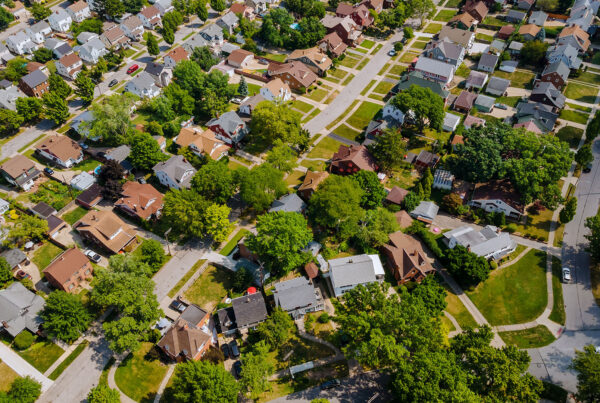
Not all projects are created equal, and not all insurance markets are either. Two developments that look the same on paper can face very different insurance realities based on where they’re built. In today’s environment, geography is a risk driver that directly impacts cost, coverage availability, and long-term financial viability.
Though many developers hate to hear this, “Risk is regional”. Data from a U.S. Treasury Department study shows homeowners in high-risk areas pay roughly 82% more in insurance premiums than those in lower-risk ZIP codes, and carriers are more likely to drop coverage altogether in those same zones. For developers, that means the insurance line item isn’t something you add after underwriting, it’s part of risk assessment before site selection.
Climate risks such as hurricanes, floods, and wildfires have exploded across the U.S. In the last several decades, there have been hundreds of billion-dollar weather and climate disasters, and that frequency has jumped significantly over time. Projects in areas exposed to these perils are seeing carriers tighten terms, raise premiums, or refuse coverage entirely.
Even outside classic “high risk” zones, micro-market differences matter. Flood plains, wind exposure, wildfire corridors, and local building codes all factor into carrier pricing models. A site with similar rent assumptions and cost structure can look dramatically different to an underwriter depending on ZIP code. These factors can impact and change debt capacity, investor returns, and insurance caps.
Bottom line: The smartest affordable housing developers and investors don’t treat insurance as an afterthought. They study the map (ie. climate exposures, carrier footprints, and underwriting behavior) and bake it into their deal model before capital is committed. Insurance is now a deal variable. When risk is ignored, the cost shows up later… and it’s rarely small.